

Advanced APU Systems: Guide for Commercial Trucking
Advanced APU Systems: The Core of Modern Commercial Trucking Efficiency
In the demanding world of commercial trucking, every drop of fuel, every hour of engine run time, and every moment of driver comfort directly impacts the bottom line. Auxiliary Power Units (APUs) have long been recognized as essential tools for managing these factors, but today's Advanced APU Systems & Technology are far beyond simple idling alternatives. They represent sophisticated, integrated solutions engineered to deliver unparalleled fuel savings, emissions reductions, and enhanced operational reliability. For owner-operators seeking to maximize profitability and major trucking companies aiming to optimize fleet auxiliary power units overview, understanding these advanced systems is no longer optional—it's a business imperative.
The APU Center Technical Team, with decades of combined field experience in heavy-duty diesel mechanics and electrical systems, understands the intricacies of these systems. We've seen firsthand how cutting-edge APU technology guide principles translate into tangible savings and improved driver conditions. This guide delves into the specifics of modern APU solutions, offering a no-nonsense, technical perspective on how these units perform, what sets them apart, and how they can transform your trucking operations. Stop wasting fuel – start saving money.
The Evolution of Auxiliary Power: From Basic to Brilliant
Early APUs were primarily designed to provide basic climate control and minimal electrical power, offering a rudimentary alternative to main engine idling. While effective in their time, they often lacked the efficiency, quiet operation, and sophisticated controls demanded by today's fleets. Modern APU technology guide advancements have revolutionized these units, integrating intelligent controls, robust power generation, and advanced thermal management into compact, highly efficient packages. This evolution is driven by stringent anti-idling regulations, rising fuel costs, and a growing emphasis on driver well-being and environmental sustainability.
Today's advanced systems leverage state-of-the-art engineering to deliver precise climate control, ample electrical power for all cab amenities, and seamless integration with the truck's existing systems. They are designed for longevity, ease of maintenance, and maximum return on investment, making them indispensable components of any forward-thinking commercial trucking operation.
Understanding Advanced APU Technology: The Core Components
At the heart of every advanced APU lies a combination of meticulously engineered components working in concert. These systems are far more than just small engines; they are intelligent power plants optimized for the unique challenges of long-haul trucking.
Power Generation: Beyond the Basic Alternator
Modern APUs utilize highly efficient power generation methods. While miniature diesel engines remain a popular choice due to their robust performance and fuel availability, their design has seen significant improvements:
- High-Efficiency Diesel Engines: These are purpose-built, often single or two-cylinder diesel engines, designed for low RPM operation and minimal fuel consumption. Advancements in fuel injection technology and engine management systems have drastically reduced their operational noise and emissions output compared to older models.
- Advanced Alternators/Generators: Coupled with these engines are sophisticated alternators or generators capable of producing consistent and clean AC power, which is then converted as needed. These are often high-output units designed to handle significant electrical loads, from powering a microwave to charging multiple battery banks.
- Battery-Electric Systems: A significant leap in APU technology, battery-electric APUs (BEAPUs) rely entirely on stored electrical energy. These systems typically employ large, deep-cycle battery banks. While we won't delve into the specifics of lithium-ion battery chemistry here, suffice it to say that modern battery technology has enabled BEAPUs to provide extended run times for climate control and electrical needs without any engine operation. This offers zero emissions at idle and virtually silent operation, which is a major benefit for drivers and compliance with strict noise ordinances.
Intelligent Control Systems and Telematics Integration
Perhaps the most defining feature of Advanced APU Systems & Technology is their intelligent control architecture. These aren't just on/off switches; they're sophisticated management units that optimize performance and fuel use.
- Automated Start/Stop Logic: Advanced APUs can automatically start and stop based on programmable parameters such as cabin temperature, battery voltage, and even external temperature, ensuring power is only used when necessary.
- Load Sensing and Management: These systems intelligently detect the electrical and thermal loads required, adjusting engine RPM or battery output to meet demand precisely, preventing unnecessary energy consumption.
- Remote Monitoring and Diagnostics: Many advanced APUs are equipped with telematics capabilities, allowing fleet managers to remotely monitor APU performance, fuel consumption, battery health, and even diagnose potential issues in real-time. This integration with fleet management software provides invaluable data for optimizing operations. For information on how these systems can be integrated, you can refer to resources on APU Integration: Truck's Electrical System How-To.
- Predictive Maintenance Alerts: Leveraging data from sensors, these systems can often predict maintenance needs before a failure occurs, enabling proactive servicing and minimizing costly downtime.
Advanced Thermal Management
Maintaining a comfortable cabin temperature is a primary function of any APU. Advanced systems excel here with:
- High-Efficiency Compressors and Evaporators: Optimized for low power draw while delivering maximum cooling or heating capacity.
- Smart Air Distribution: Ensuring even temperature distribution throughout the sleeper cab.
- Integrated Heating Solutions: Beyond just AC, these units often include efficient diesel-fired heaters or electric heat strips, providing robust heating in cold climates.
Key Benefits of Investing in Advanced APU Systems
The decision to equip a commercial truck or an entire fleet with an advanced APU is a strategic one, yielding multiple significant benefits.
Substantial Fuel Savings and Cost Reduction
The most immediate and impactful benefit is the reduction in fuel consumption. A truck's main engine can consume 0.8 to 1.5 gallons of fuel per hour while idling. An advanced diesel APU, in contrast, typically uses 0.1 to 0.2 gallons per hour, a savings of 75-90%. Over thousands of idle hours annually, this translates to thousands of dollars in fuel savings per truck. Battery-electric APUs, by eliminating fuel consumption entirely during idle, offer even greater savings in this regard, albeit with different initial investment and charging infrastructure considerations.
To truly understand the financial impact, tools like an APU ROI Calculator: Maximize Truck Fleet Savings can provide a clear picture of the return on investment over the system's lifespan.
Reduced Emissions and Environmental Compliance
Main engine idling is a significant source of greenhouse gas emissions and particulate matter. Advanced APUs, particularly those with modern diesel engines or battery-electric designs, dramatically cut these emissions. This not only contributes to a cleaner environment but also ensures compliance with increasingly strict anti-idling laws and emissions standards across various states and municipalities. Many jurisdictions offer incentives for adopting cleaner technologies, further enhancing the financial viability of advanced APUs.
The U.S. Environmental Protection Agency (EPA) provides extensive information on emissions standards for heavy-duty vehicles and auxiliary power units, underscoring the importance of these technologies in meeting environmental goals. For more details, visit the Environmental Protection Agency (EPA) website.
Enhanced Driver Comfort, Health, and Retention
Driver retention is a critical challenge in the trucking industry. Providing a comfortable, quiet, and climate-controlled environment during rest periods is a powerful incentive. Advanced APUs ensure drivers have access to heating, air conditioning, and electrical power for appliances (microwaves, refrigerators, laptops) without the noise and vibration of the main engine. This leads to better sleep quality, reduced fatigue, and improved overall well-being, directly impacting safety and job satisfaction.
Extended Main Engine Lifespan and Reduced Maintenance
Idling a heavy-duty diesel engine puts unnecessary wear and tear on components, leading to increased maintenance costs and a shorter engine lifespan. APUs eliminate the need for main engine idling, preserving critical engine components, reducing oil changes, and extending the intervals between major overhauls. This translates to lower operational costs and greater uptime for the truck.
Types of Advanced Commercial Trucking APU Solutions
The market offers several sophisticated APU solutions, each with distinct advantages for various operational profiles.
1. Advanced Diesel-Powered APUs
These are the workhorses of the APU world, continually refined for efficiency and reliability. Modern diesel APUs feature:
- Ultra-Low Emissions: Equipped with advanced exhaust aftertreatment systems, meeting stringent EPA and CARB standards.
- Exceptional Fuel Efficiency: Optimized combustion and intelligent controls ensure minimal fuel burn.
- Robust Power Output: Capable of handling significant electrical loads and providing powerful HVAC.
- Quieter Operation: Enhanced sound dampening and engine design reduce noise significantly, improving driver rest and complying with noise regulations.
2. High-Capacity Battery-Electric APUs (BEAPUs)
BEAPUs represent the cutting edge of zero-emission idle solutions. They are ideal for fleets operating in areas with strict anti-idling laws or those committed to reducing their carbon footprint.
- Zero Emissions at Idle: No exhaust fumes, a major benefit for environmental compliance and driver health.
- Silent Operation: Provides a peaceful environment for drivers, especially in residential areas or truck stops with noise restrictions.
- Reduced Maintenance: Fewer moving parts than engine-driven units, leading to simpler maintenance routines.
- Advanced Battery Management: Sophisticated systems monitor battery health, optimize charging cycles, and prevent over-discharge. Proper APU Battery Banks: Configs & Management is crucial for longevity.
3. Hybrid APU Systems
Hybrid APUs combine the strengths of both diesel and battery-electric technologies. These systems often feature a smaller diesel engine that can charge a battery bank or provide direct power when needed, while allowing for extended periods of silent, zero-emission battery-only operation. This offers flexibility, ensuring power availability even during extended stops or when battery charge is low, while still maximizing efficiency and environmental benefits.
4. Emerging Technologies: Solar and Beyond
While still niche, solar integration is becoming more prevalent, with panels supplementing APU battery charging, reducing the run time of diesel engines or extending BEAPU endurance. The National Renewable Energy Laboratory (NREL), part of the U.S. Department of Energy, is a leading source for research into such advanced energy technologies. You can explore more about renewable energy solutions on the U.S. Department of Energy website.
Installation, Integration, and Maintenance Considerations
Implementing advanced APU systems requires careful planning and execution to ensure optimal performance and longevity.
Strategic Placement and Integration
The physical placement of an APU on the truck is critical for efficiency, accessibility, and compliance. Factors like weight distribution, airflow for cooling, exhaust routing, and ease of maintenance access must be considered. Furthermore, seamless integration with the truck's electrical system is paramount to prevent conflicts and ensure reliable power delivery to all onboard systems. For detailed guidance, understanding Optimal APU Placement: Boost Trucking Performance & Access is essential.
Proactive Maintenance for Maximum Uptime
Even the most advanced APU requires regular maintenance to perform optimally. This includes routine fluid checks, filter replacements, belt inspections, and battery health assessments. Following manufacturer-recommended service schedules is crucial. For diesel units, this means oil changes, fuel filter replacements, and air filter maintenance. For BEAPUs, battery monitoring and occasional system diagnostics are key. Proactive maintenance prevents minor issues from escalating into major, costly repairs, ensuring your investment continues to pay dividends.
Why Advanced APUs are Non-Negotiable for Modern Fleets
The landscape of commercial trucking is continuously evolving, driven by economic pressures, environmental regulations, and the need to attract and retain skilled drivers. In this environment, Advanced APU Systems & Technology are not merely an accessory; they are a fundamental component of a cost-effective, compliant, and driver-friendly operation.
By significantly reducing fuel costs, lowering emissions, extending main engine life, and enhancing driver comfort, advanced APUs deliver a compelling return on investment. They empower owner-operators to maximize their profitability and enable fleet managers to optimize their resources, improve operational efficiency, and build a more sustainable business model.
The American Trucking Associations (ATA) consistently advocates for technologies that enhance efficiency and sustainability in the trucking industry. Their resources offer valuable insights into industry best practices and the benefits of adopting advanced solutions like APUs. Learn more at American Trucking Associations.
Investing in the right APU solution is a decision that pays dividends across every facet of your trucking business—from the fuel pump to driver satisfaction. The APU Center Technical Team is here to guide you through selecting, installing, and maintaining the advanced APU system that best fits your specific needs, ensuring you stop wasting fuel and start saving money.
Frequently Asked Questions About Advanced APU Systems
What is the primary difference between a traditional APU and an advanced APU system?
The primary difference lies in efficiency, intelligence, and integration. Advanced APUs feature highly optimized engines or battery systems, intelligent control logic for automated operation, sophisticated thermal management, and often telematics for remote monitoring and diagnostics. Traditional APUs were more basic, offering less precise control and lower overall efficiency.
How much fuel can an advanced APU save compared to idling the main engine?
An advanced diesel APU can save approximately 0.7 to 1.3 gallons of fuel per hour compared to idling a main truck engine. Over a year of typical usage (e.g., 2,000 idle hours), this can translate to thousands of dollars in fuel savings per truck. Battery-electric APUs eliminate fuel consumption entirely during idle periods.
Are advanced APUs difficult to integrate with existing truck systems?
Modern advanced APUs are designed for robust integration. While proper installation requires expertise in heavy-duty electrical and mechanical systems, manufacturers provide comprehensive guidelines. Professional installation ensures seamless operation with the truck's electrical system, fuel lines, and HVAC ducts. For specific details on this process, one might refer to resources on APU electrical system integration.
What kind of maintenance do advanced APU systems require?
Maintenance depends on the type. Diesel APUs require regular oil changes, fuel filter replacements, air filter cleaning/replacement, and general inspections, similar to a small engine. Battery-electric APUs require less mechanical maintenance but necessitate monitoring battery health and charge cycles. All systems benefit from periodic diagnostic checks to ensure optimal performance and longevity.
Can advanced APUs operate in extreme weather conditions?
Yes, advanced APUs are engineered for reliable operation in a wide range of extreme conditions. They feature robust designs, often including cold-weather starting aids for diesel units and sophisticated thermal management systems for both heating and cooling, ensuring driver comfort and system functionality from sub-zero temperatures to scorching heat.
For a deeper dive, see our detailed guide on APU ROI calculator.
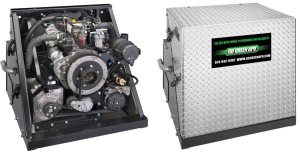

 ordinances.
 lubricated and functioning properly. This practice helps prevent issues like seizing or unnecessary strain on specific parts.
Timely servicing helps in identifying potential issues before they escalate into significant problems. Detecting wear and tear early on can save both time and money in the long run. For instance, oil leaks, faulty cooling systems, or clogged air filters can be addressed promptly, preventing more severe damage and maintaining the unit's efficiency.
In essence, while an APU is engineered for durability, its lifespan heavily depends on how well it is cared for and the conditions under which it operates. Regular upkeep and mindful operation can significantly extend its useful life. Time to replace APU?
Signs It's Time for Replacement
Recognizing the signs of a failing APU can prevent unexpected downtimes and costly repairs. One of the most common indicators is a noticeable decrease in performance. If the APU struggles to start, or if it runs roughly and produces unusual noises, it might be time to consider a replacement. Excessive fuel consumption and increased emissions are also red flags indicating potential issues.
Performance issues should not be overlooked. If the APU is not generating adequate power to support the vehicle’s systems, it can lead to inefficiencies and strain other components. Frequent shutdowns or an inability to maintain the necessary power output are clear signs that the APU is reaching the end of its useful life.
Another significant indicator is the occurrence of frequent shutdowns. If the APU fails to maintain power output or shuts down unexpectedly, it could signal underlying mechanical or electrical problems. Increased maintenance costs can also be a clue that the APU is nearing the end of its lifespan. When the frequency and expense of repairs start to add up, it might be more economical to invest in a new unit.
Pay attention to any unusual noises or vibrations, as these could indicate internal wear or damage. Components such as the compressor or generator could be failing, and ignoring these warning signs could lead to more severe issues. Additionally, if the APU has been in operation for several years and is approaching the upper end of its expected lifespan, it’s prudent to monitor it closely for any of these signs.
Regular monitoring and timely intervention are key to avoiding the hassle and expense of unexpected APU failures. Time to replace APU?
Maintaining Your APU
Regular maintenance ensures your APU stays in top condition. Start by conducting frequent inspections to catch potential problems early. Look for oil leaks and make sure the cooling system is working properly. Replacing air filters is also crucial to maintaining efficiency. Running the APU regularly, even when the vehicle isn’t in constant use, can prevent parts from seizing and keep the system in good working order. Maintaining a detailed log of all maintenance activities can help you stay on top of service schedules and detect any recurring issues. By following these steps, you can maximize the lifespan and performance of your APU, whether it’s a brand-new unit or a used APU. Replace APU
lubricated and functioning properly. This practice helps prevent issues like seizing or unnecessary strain on specific parts.
Timely servicing helps in identifying potential issues before they escalate into significant problems. Detecting wear and tear early on can save both time and money in the long run. For instance, oil leaks, faulty cooling systems, or clogged air filters can be addressed promptly, preventing more severe damage and maintaining the unit's efficiency.
In essence, while an APU is engineered for durability, its lifespan heavily depends on how well it is cared for and the conditions under which it operates. Regular upkeep and mindful operation can significantly extend its useful life. Time to replace APU?
Signs It's Time for Replacement
Recognizing the signs of a failing APU can prevent unexpected downtimes and costly repairs. One of the most common indicators is a noticeable decrease in performance. If the APU struggles to start, or if it runs roughly and produces unusual noises, it might be time to consider a replacement. Excessive fuel consumption and increased emissions are also red flags indicating potential issues.
Performance issues should not be overlooked. If the APU is not generating adequate power to support the vehicle’s systems, it can lead to inefficiencies and strain other components. Frequent shutdowns or an inability to maintain the necessary power output are clear signs that the APU is reaching the end of its useful life.
Another significant indicator is the occurrence of frequent shutdowns. If the APU fails to maintain power output or shuts down unexpectedly, it could signal underlying mechanical or electrical problems. Increased maintenance costs can also be a clue that the APU is nearing the end of its lifespan. When the frequency and expense of repairs start to add up, it might be more economical to invest in a new unit.
Pay attention to any unusual noises or vibrations, as these could indicate internal wear or damage. Components such as the compressor or generator could be failing, and ignoring these warning signs could lead to more severe issues. Additionally, if the APU has been in operation for several years and is approaching the upper end of its expected lifespan, it’s prudent to monitor it closely for any of these signs.
Regular monitoring and timely intervention are key to avoiding the hassle and expense of unexpected APU failures. Time to replace APU?
Maintaining Your APU
Regular maintenance ensures your APU stays in top condition. Start by conducting frequent inspections to catch potential problems early. Look for oil leaks and make sure the cooling system is working properly. Replacing air filters is also crucial to maintaining efficiency. Running the APU regularly, even when the vehicle isn’t in constant use, can prevent parts from seizing and keep the system in good working order. Maintaining a detailed log of all maintenance activities can help you stay on top of service schedules and detect any recurring issues. By following these steps, you can maximize the lifespan and performance of your APU, whether it’s a brand-new unit or a used APU. Replace APU

 hicles like long-haul trucks and RVs without the need to keep the main engine running. This functionality is especially important for saving fuel, reducing engine wear, and complying with anti-idling laws. Given the importance of an APU in maintaining vehicle efficiency and comfort, purchasing a used unit demands careful consideration. The market for used APUs can be daunting if you aren't familiar with the specific aspects that need attention. Factors such as the unit's specifications, physical condition, compatibility with your vehicle, and performance history are all crucial elements to examine. These considerations help ensure that the APU you choose will not only meet your power needs but also prove to be a reliable investment over time. By being thorough in your evaluation, you can make a more informed decision and avoid potential pitfalls. With so many variables at play, understanding these key areas can help you navigate the complexities of purchasing a used APU, ensuring that you get the best value for your money.