
Fuel Savings and More: Get a New APU Installed
In the trucking industry, maintaining both efficiency and comfort is essential for successful operations. Auxiliary power units (APUs) are an excellent addition to any fleet, providing significant benefits that go beyond their core purpose. APUs are designed to power a truck’s electrical systems without requiring the main engine to run. This capability allows trucks to manage various electrical needs, such as lighting, heating, cooling, and electronic devices, independently of the main engine. With an APU installed, fleet operators can enjoy a more efficient use of their vehicles, as these units reduce the need for engine idling. This not only leads to substantial fuel savings but also minimizes the wear and tear on the engine. Furthermore, APUs contribute to lowering the environmental impact by cutting down on emissions produced during engine idling. For drivers, the presence of an APU enhances the overall cabin experience, making rest periods more comfortable and quieter. The unit can provide climate control and power for personal electronic devices, improving the quality of life on the road. Given these multifaceted advantages, integrating APUs into your fleet is a strategic decision that aligns with both operational efficiency and driver well-being, setting the stage for a more productive and sustainable trucking operation.
Benefits for Fuel Efficiency
APUs are a game-changer when it comes to reducing fuel consumption for trucks. Traditional engine idling consumes a significant amount of fuel, especially during long rest periods or when parked. An APU takes over the role of powering the truck’s electrical and climate control systems, allowing the main engine to stay off. This shift drastically cuts down on fuel usage. Additionally, with less idling time, trucks release fewer emissions, making them more environmentally friendly. Over time, the fuel savings can be substantial. For fleets operating numerous trucks, this efficiency can result in considerable cost reductions. By conserving fuel, APUs help fleets manage operating costs more effectively, which can translate into better overall financial performance. Also, with fuel prices being unpredictable, having an APU provides a safeguard against future fuel price spikes. Another key benefit is that APUs help optimize engine performance by reducing unnecessary idling. This not only conserves fuel but also improves the longevity of the engine, as it minimizes the wear and tear associated with idling. As a result, trucks equipped with APUs are not only more fuel-efficient but also more reliable over the long haul. The integration of APUs thus becomes an essential component of any fleet’s strategy to enhance fuel efficiency and operational effectiveness.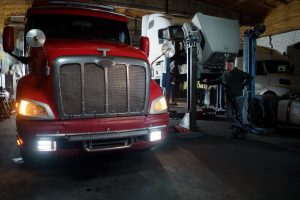
Improved Comfort for Drivers
APUs are instrumental in providing a more comfortable and restful environment for drivers. With an APU installed, the need to run the main engine for climate control is eliminated. This allows for a quieter cabin, free from the noise and vibrations typically associated with an idling engine. Drivers can set their preferred temperature for heating or cooling, creating a consistently comfortable environment regardless of the weather outside. Additionally, APUs can power personal electronic devices such as laptops, microwaves, and televisions, making downtime more enjoyable and productive. The quieter operation and the ability to maintain a stable cabin climate significantly enhance the driver’s overall experience. By ensuring that drivers have a comfortable and restful environment, APUs contribute to better sleep quality, which is crucial for maintaining alertness and safety on the road. This focus on comfort and well-being helps in reducing driver fatigue and improving overall job satisfaction.
Maintenance Benefits and Engine Durability
One of the standout benefits of having an APU installed is its positive impact on engine maintenance and durability. When trucks idle less, it leads to a reduction in engine hours, meaning the engine undergoes less stress and wear over time. This can result in fewer breakdowns and less frequent need for repairs, keeping your fleet on the road and operational. Less idling also contributes to the better performance of the engine’s oil and filters, extending their service intervals. Cleaner oil and longer-lasting filters mean that the engine can run more smoothly and efficiently. Additionally, lower idling times reduce the likelihood of carbon build-up in the engine, which is a common issue that can affect engine performance and lifespan. By mitigating these factors, APUs help in preserving the overall health of the engine. This preservation is crucial for minimizing downtime and maximizing the operational readiness of each vehicle in the fleet. The knock-on effect is a more consistent and reliable performance, reducing the likelihood of unexpected failures and the associated repair costs. Furthermore, when engines operate under less strain, it can lead to better fuel combustion and efficiency. This optimized combustion can contribute to the engine running cooler and more efficiently, further enhancing its durability. For fleet operators, this means a more predictable and manageable maintenance schedule, allowing for better planning and reduced unexpected costs. Overall, having your APU installed represents a strategic investment in the long-term health and performance of your fleet’s engines, making them more resilient and dependable in the face of daily operational demands.
Financial Advantages
Installing an APU can lead to significant long-term savings for fleet operators. Reduced fuel consumption and lower maintenance costs directly contribute to improving the bottom line. Additionally, some regions offer tax incentives or rebates for adopting eco-friendly technologies, making the initial investment more feasible. Over time, these savings can accumulate, providing a substantial financial boost to your operations. The improved durability of your engines and extended service intervals for oil and filters also mean fewer unexpected repair costs, further enhancing financial stability. By investing in APUs, fleet managers can achieve a more cost-effective and efficient operation, helping to secure a stronger position in a competitive market.
 can go a long way in prolonging the lifespan of your APU and ensuring your vehicle runs smoothly.
 associated with increased soot and carbon buildup in the engine. This cleaner operation reduces the likelihood of engine problems that could lead to expensive repairs or even engine replacement. Additionally, by alleviating the strain on the primary engine, other related components such as the transmission and cooling systems also benefit, further cutting down maintenance costs. The extended lifespan of the engine and its components means fewer vehicle downtimes, ensuring that your fleet remains operational and productive. Reduced maintenance requirements not only save money but also allow for better allocation of resources, enhancing overall fleet management efficiency. By investing in APUs, fleet operators can significantly decrease their maintenance budget and redirect those funds toward other critical areas of the business, making it a financially sound decision.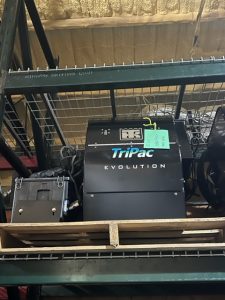
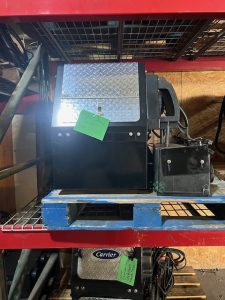
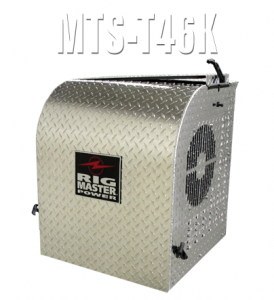 quality of life for drivers during long-haul routes. Additionally, Rigmaster APUs are instrumental in reducing the need for engine idling, a common practice used to power ancillary functions but one that results in unnecessary fuel consumption and increased engine wear. By offering a standalone source of power for heating, cooling, and electrical needs, these units directly contribute to a reduction in fuel use. This not only translates to considerable cost savings but also decreases the environmental impact associated with prolonged engine operation. Reducing engine idling is also crucial for extending the lifespan of the truck’s main engine, ensuring that it remains operational for longer periods without the need for significant maintenance or repairs. These core functions of Rigmaster APUs—enhanced climate control, independent electrical power supply, and a significant reduction in the need for engine idling—demonstrate their integral role in improving the operational effectiveness of truck fleets while simultaneously elevating the living and working conditions of drivers on the road.
 penalties associated with keeping the main engine running. This groundbreaking efficiency translates into direct cost savings. For fleet operators and independent drivers alike, the equation is simple: less fuel consumed equals more money saved. This economic advantage is further amplified when considering the broader implications of reduced engine wear. By minimizing the need for the main engine to idle, the Carrier APU not only cuts down on immediate fuel costs but also contributes to a longer engine lifespan, reducing the frequency and severity of maintenance requirements. This dual benefit of fuel efficiency and cost savings underscores the Carrier APU’s role as a vital tool for economic sustainability in the demanding world of trucking, providing a swift return on investment and supporting a more profitable operation.