Replace APU's?
Auxiliary Power Units, commonly known as
APUs, are vital components in both the aviation and trucking industries. These units provide power to various systems when the main engine is not in operation, leading to significant improvements in fuel efficiency and reduced wear on the primary engine. This dual functionality makes APUs invaluable, especially in settings where conserving fuel and minimizing engine stress are priorities.
APUs are engineered to supply electrical power, air conditioning, heating, and even hydraulic power, ensuring that the main engine can remain off during idling periods. This not only conserves fuel but also contributes to lower emissions, making it a more environmentally friendly option. For truckers, APUs offer the added benefit of maintaining cabin comfort during rest periods without the need to keep the main engine running. Time to replace APU?
However, the efficiency and reliability of APUs are highly dependent on proper usage and maintenance. Unlike other components, APUs are designed to endure frequent start-stop cycles, but they still require routine checks and timely servicing to function optimally. The effectiveness of an APU can be influenced by several variables, such as the quality of fuel used and the regularity of maintenance routines. Therefore, understanding how to maintain and operate your APU correctly can result in long-term savings and reduced operational hiccups.
In summary, APUs are more than just auxiliary units; they are crucial for optimizing the performance and lifespan of the main engine. By providing necessary power during idling, they offer significant fuel savings and reduced engine wear, making them indispensable in various applications. Whether new or used, an APU can be a valuable asset when managed and maintained correctly.
Lifespan of an APU
The typical lifespan of an APU varies based on several factors, such as usage patterns, maintenance practices, and environmental conditions. Generally, an APU can last between 6,000 and 10,000 hours of operation. Frequent use without adequate maintenance can considerably shorten this duration.
Environmental conditions play a significant role in determining how long an APU remains functional. Exposure to harsh weather, such as extreme temperatures or humidity, can accelerate wear and tear. The quality of fuel used is another crucial factor; impurities can clog the system, leading to reduced efficiency and potential damage over time. Regular maintenance is indispensable for extending the lifespan of your APU. Components like air filters, oil, and cooling systems require periodic checks to ensure they function optimally. Failure to perform these routine tasks can lead to a decline in performance and a shorter operational life.
Usage patterns also impact longevity. APUs designed to endure frequent start-stop cycles still benefit from occasional periods of extended operation to ensure all components are adequately

lubricated and functioning properly. This practice helps prevent issues like seizing or unnecessary strain on specific parts.
Timely servicing helps in identifying potential issues before they escalate into significant problems. Detecting wear and tear early on can save both time and money in the long run. For instance, oil leaks, faulty cooling systems, or clogged air filters can be addressed promptly, preventing more severe damage and maintaining the unit's efficiency.
In essence, while an APU is engineered for durability, its lifespan heavily depends on how well it is cared for and the conditions under which it operates. Regular upkeep and mindful operation can significantly extend its useful life. Time to replace APU?
Signs It's Time for Replacement
Recognizing the signs of a failing APU can prevent unexpected downtimes and costly repairs. One of the most common indicators is a noticeable decrease in performance. If the APU struggles to start, or if it runs roughly and produces unusual noises, it might be time to consider a replacement. Excessive fuel consumption and increased emissions are also red flags indicating potential issues.
Performance issues should not be overlooked. If the APU is not generating adequate power to support the vehicle’s systems, it can lead to inefficiencies and strain other components. Frequent shutdowns or an inability to maintain the necessary power output are clear signs that the APU is reaching the end of its useful life.
Another significant indicator is the occurrence of frequent shutdowns. If the APU fails to maintain power output or shuts down unexpectedly, it could signal underlying mechanical or electrical problems. Increased maintenance costs can also be a clue that the APU is nearing the end of its lifespan. When the frequency and expense of repairs start to add up, it might be more economical to invest in a new unit.
Pay attention to any unusual noises or vibrations, as these could indicate internal wear or damage. Components such as the compressor or generator could be failing, and ignoring these warning signs could lead to more severe issues. Additionally, if the APU has been in operation for several years and is approaching the upper end of its expected lifespan, it’s prudent to monitor it closely for any of these signs.
Regular monitoring and timely intervention are key to avoiding the hassle and expense of unexpected APU failures. Time to replace APU?
Maintaining Your APU
Regular maintenance ensures your APU stays in top condition. Start by conducting frequent inspections to catch potential problems early. Look for oil leaks and make sure the cooling system is working properly. Replacing air filters is also crucial to maintaining efficiency. Running the APU regularly, even when the vehicle isn’t in constant use, can prevent parts from seizing and keep the system in good working order. Maintaining a detailed log of all maintenance activities can help you stay on top of service schedules and detect any recurring issues. By following these steps, you can maximize the lifespan and performance of your APU, whether it’s a brand-new unit or a used APU. Replace APU


 Lower Engine Wear
By reducing idle hours, APUs help extend engine life and lower maintenance costs.
Improved Driver Comfort
APUs provide climate control and power for electronics, improving rest quality and overall driver satisfaction.
Compliance With Idling Regulations
Many states enforce strict anti-idling laws. APUs help fleets stay compliant while maintaining comfort and functionality.
Lower Engine Wear
By reducing idle hours, APUs help extend engine life and lower maintenance costs.
Improved Driver Comfort
APUs provide climate control and power for electronics, improving rest quality and overall driver satisfaction.
Compliance With Idling Regulations
Many states enforce strict anti-idling laws. APUs help fleets stay compliant while maintaining comfort and functionality.
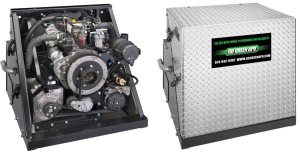

 By using an APU instead of idling the main engine, drivers can save hundreds of gallons of fuel annually. This leads to lower operating costs and reduced emissions—important for local idling ordinances.
 ordinances.