Maximize Fleet Efficiency: Why Preventative APU Maintenance Matters

Preventative maintenance for Auxiliary Power Units (APUs) isn’t just a matter of keeping things running—it’s a strategic approach that saves fleets real money, ensures compliance, and optimizes driver comfort.

1. Fuel Economy Gains
Idling a Class 8 truck burns about 0.8–1 gallon of diesel per hour. Over 8 hours nightly, that’s up to 2,400 gallons per year—over $9,000 in fuel. Poorly maintained APUs, however, burn more fuel than optimal models. A proactive tune-up can cut that boost, typically offering $700–$1,500 in annual savings per unit.
APU Center

2. Reduced Engine Wear & Repair Time
Idling equates to roughly 80 miles of engine wear per hour. Every hour saved with a well-maintained APU preserves engine health, reducing oil change frequency and major repairs. A premature engine overhaul can cost tens of thousands; preventative care helps avoid that.
APU Center

3. Avoiding Regulatory Penalties
Many states enforce idling restrictions, with fines often ranging from $300 to $1,000 per incident—especially in clean-air regions like California and New York. An efficient APU keeps you in compliance and shields against costly violations.
APU Center

4. Enhancing Driver Comfort
A reliable APU provides consistent heating and cooling, essential for driver well-being and alertness during mandated rest periods. Preventative checks ensure the HVAC system operates efficiently—no surprises during harsh weather.

5. Extending APU Lifespan
A neglected APU often fails early. Filter replacements, coolant flushes, firmware updates, and inspections of tubing and mounts help prevent breakdowns. The cost of a midline APU replacement can reach $10,000+, while preventative service is just a fraction—typically $200–$600 annually.

6. Optimized Productivity & Uptime
APU Center provides tailored preventative service packages—including diagnostics and on-site inspections—designed to keep fleets on the road. Their skilled technicians handle everything from routine filters to electrical system tests.
APU Center
The result? Less downtime and more reliable off-hour operations.

What Your Preventative Maintenance Checklist Should Include:
Oil & fuel filter changes

Coolant system flushes

Battery voltage & alternator efficiency tests

Inspection of mounting hardware & vibration pads

Firmware updates (for electronic/battery APUs)

HVAC thermostat & ductwork evaluation

Choosing the Right Maintenance Plan
APU Center offers customizable service tiers tailored to usage:

Tier Includes
Basic Biannual fluid changes, filter replacements
Premium Basic + thermal checks, firmware updates, safety inspections
Fleet Premium + on-site visits, priority scheduling, full diagnostics

Ask your rep for estimated ROI comparisons—APU Center provides personalized quotes showing ROI, fuel savings, and compliance benefits.

Read more...

Save Fuel & Stay Comfortable: Why Truckers Choose APU Center

APU Center

If you’re a professional truck driver or fleet manager, you know the importance of comfort, reliability, and operational efficiency. That’s exactly what APU Center delivers through expert auxiliary power unit (APU) installations designed to enhance cab comfort, extend engine life, and reduce fuel costs.

What Is an Auxiliary Power Unit (APU)?

An APU is a compact, auxiliary engine that allows trucks to power heating, cooling, lights, and electronics without idling the main engine. With idling restrictions tightening and fuel prices fluctuating, APUs have become essential, cost-effective upgrades for modern fleets.

How APU Center Helps Drivers & Fleets

  1. Industry Expertise
    With deep experience in professional APU installs, APU Center understands how to integrate units seamlessly into all cab makes and models. Their team ensures every installation is done to code and maximizes efficiency.
  2. Fuel Savings & Emissions Reductiontrucking, apu center
    By using an APU instead of idling the main engine, drivers can save hundreds of gallons of fuel annually. This leads to lower operating costs and reduced emissions—important for local idling ordinances.
  3. Improved Vehicle Longevity
    Reducing engine idle hours helps preserve engine health, lowers maintenance costs, and extends the life of your vehicle. APU Center’s installations are designed with durability and long-term reliability in mind.
  4. Enhanced Comfort on the Road
    Drivers enjoy better climate control and power for onboard electronics, all without noise or vibration. An APU-equipped cab stays cool in hot weather and warm in winter—supporting better rest and alertness.

Who Benefits from APU Center?

  • Owner-operators looking to reduce fuel costs and improve comfort.
  • Fleet managers aiming to standardize APU installations and lower emissions across their teams.
  • Hotshot and regional haulers who frequently stop and need dependable power off the engine.

Why Choose APU Center?

  • Tailored Installations: Customized solutions for every truck layout.
  • Regulation Compliance: Professional installations that meet EPA and state idling rules.
  • Ongoing Support: Reliable service plans and maintenance after installation.
  • Proven Results: Positive feedback from customers praising fuel savings and comfort improvements.

Start Saving Today

Interested in seeing how much you can save? Contact APU Center through apucenter.com or call to discuss your truck model and usage patterns. Their team will provide a personalized quote showing estimated fuel savings, emissions reductions, and ROI over time.

Final Takeaway

An APU installation from APU Center isn’t just an upgrade—it’s a smart business decision. From slashing fuel costs and emissions to improving cab comfort and preserving engine health, APU Center delivers long-term value for truckers and fleets across the country.

Read more...

Troubleshooting Common APU Issues: Quick Fixes & When to Call a Pro

Auxiliary Power Units (APUs) are critical for comfortable rest periods and engine preservation—but sometimes problems arise. The good news? Many common issues can be fixed quickly with basic checks. Here’s a DIY troubleshooting guide, and tips on when to reach out to APU Center’s professionals.

1. APU Won’t Start
Common Causes: Low battery voltage, fuel delivery blockage, or a blown fuse.
Quick Fixes:

Check battery voltage (should be ≥12.4V).

Inspect and replace blown fuses.

Check fuel supply: ensure the tank has clean, fresh fuel and no sediment blocking the line.
When to Call a Pro: If battery and fuses are fine but it still won’t start, internal fuel pump or control module diagnostics may be needed.

2. Rough Idle or Shutting Off
Common Causes: Dirty fuel filters, clogged air intake, or incorrect idle RPM settings.
Quick Fixes:

Replace fuel and air filters.

Clean intake vents.

Adjust idle settings—refer to your APU manual.
When to Call: Extreme fluctuation in RPM or frequent stalling—let a certified tech check sensors and governor system.

3. No Heat or Cooling
Common Causes: Low coolant level, failed thermostat, or fan malfunction (on cooling models).
Quick Fixes:

Top off coolant to recommended levels.

Inspect for leaks, damage, or frayed hoses.

Ensure thermostat is opening/closing properly.

Check fan operation—blown fuse or motor failure could be culprit.
When to Call: If coolant leaks persist or thermostat/fan replacement is required.

4. Warning Lights or Error Codes
Common Causes: Electrical issues—low battery or open circuits, or sensor malfunctions.
Quick Fixes:

Read codes (many modern APUs display simple error codes).

Inspect wiring harness and connectors for corrosion or looseness.

Reset system by restarting the APU.
When to Call: Persistent codes, recurring faults, or no-code but visible system underperformance—pro-grade diagnostics needed.

5. Excessive Fuel Consumption
Common Causes: Aging fuel lines, injector wear, or poor combustion.
Quick Fixes:

Check for leaking fuel lines.

Ensure injectors are clean or replace.

Service combustion chamber—clean carbon buildup.
When to Call: If fuel draw remains high despite checks, an APU Center technician can perform in-depth calibration and performance tuning.

Additional Pro Tips
Schedule routine inspections: Early fault detection reduces downtime.

Pre-trip self-check: Take 5 minutes before high-idle periods to monitor gauges.

Use OEM parts: Aftermarket gear may void warranties or reduce efficiency.

When DIY Isn’t Enough
APU Center’s certified technicians carry full diagnostic tools and replacement parts. They offer mobile service at truck stops and fleet yards across North America—so you don’t need to haul your rig to a shop. Complex electrical faults, fuel pump rebuilds, or logic board repairs are best left to pros.

Final Thoughts
Basic checks can resolve most APU hiccups. But for persistent or safety-critical issues, professional service prevents unexpected breakdowns and costly repairs. Prevent minor issues today to avoid major repairs tomorrow.

Experiencing ongoing APU trouble? Schedule a deluxe inspection with APU Center now: call (417) 736-3000 or visit Contact Us.

Read more...

The Ultimate Guide to Truck APUs: Save Fuel and Improve Comfort

Truck Auxiliary Power Units (APUs) are revolutionizing how long-haul drivers manage fuel consumption and comfort. By providing power for cab climate control, appliances, and electronics without running the truck’s main engine, APUs reduce idling time — saving fuel and decreasing engine wear.

Idling a diesel engine for extended periods wastes significant fuel and increases maintenance costs. Studies show that a Class 8 truck idles roughly 1,800 hours per year, consuming thousands of gallons of diesel. APUs can cut idling fuel use by up to 90%, leading to savings of $5,000 to $10,000 annually per truck, depending on fuel prices and usage.

There are two main types of APUs: diesel-powered and battery-powered. Diesel APUs are reliable and provide continuous power, while battery APUs offer quieter operation with zero emissions, ideal for urban areas with strict anti-idling laws.

Installing an APU requires considering truck compatibility, electrical system integration, and space for mounting. Professional installation ensures maximum efficiency and warranty compliance.

Beyond fuel savings, APUs improve driver comfort by enabling air conditioning and heating while parked, leading to better rest and increased safety on the road. They also help fleets comply with increasingly common anti-idling regulations, avoiding costly fines.

At APU Center, we provide a wide selection of APUs tailored for Freightliner, Peterbilt, Kenworth, Volvo, and other trucks. Our expert team can help you choose and install the right unit for your fleet’s needs.

Investing in a truck APU is a smart financial and environmental decision that benefits drivers, fleet owners, and the planet alike. Visit apucenter.com to explore our options and start saving today.

Read more...

How an APU Saves You Thousands in Fuel and Maintenance Costs

In today’s competitive trucking industry, every mile and every dollar count. Long-haul drivers and fleet owners are constantly looking for ways to cut fuel costs, reduce wear on engines, and stay compliant with anti-idling laws. One of the most effective ways to accomplish all of this is by investing in an Auxiliary Power Unit (APU) — a game-changer for modern trucking.

What is an Auxiliary Power Unit?

An APU is a small, efficient engine or battery-powered system that provides power for a truck’s heating, cooling, and electrical systems without needing to idle the main engine. Instead of running your costly, fuel-hungry engine overnight or during downtime, an APU powers your cab and accessories with a fraction of the cost and environmental impact.

How Does an APU Save Money?

Idling a Class 8 truck can burn approximately 0.8 to 1 gallon of diesel per hour. If a driver idles for 8 hours per night, that’s 8 gallons wasted every day — and over 2,400 gallons per year. At today’s diesel prices, that adds up to over $9,000 annually in fuel costs alone.

An APU uses only a small fraction of that fuel. Some battery-powered APUs use no fuel at all. Over the course of a year, this can easily translate into $7,000 to $10,000 in savings per truck. Multiply that across a fleet, and the financial impact becomes massive.

Maintenance Savings Add Up

Idling doesn’t just waste fuel — it also accelerates engine wear. Experts estimate that one hour of idling equals 80 miles of driving in terms of engine wear. That extra mileage translates into:
– More frequent oil changes
– Increased downtime for repairs
– Shortened engine lifespan

By letting an APU handle overnight loads, your truck’s primary engine stays in better condition, lowering maintenance costs and extending the truck’s service life.

Legal Compliance and Anti-Idling Laws

Many states and municipalities have passed strict anti-idling regulations. Fines can range from $300 to over $1,000 per incident, especially in states like California and New York. APUs offer a legal and environmentally friendly alternative that allows drivers to rest comfortably while staying compliant with these laws.

Environmental Impact

APUs drastically reduce the carbon footprint of long-haul trucking. A traditional diesel truck emits approximately 22 pounds of CO₂ per gallon of fuel burned. Reducing idling by just one hour per day per truck can prevent thousands of pounds of emissions annually.

By adopting APUs across your fleet, you contribute to cleaner air, lower noise pollution, and a greener supply chain — all while saving money.

Why Choose APU Center?

At APU Center, we specialize in helping truckers and fleet managers maximize fuel efficiency and minimize downtime. We offer:
– New and refurbished diesel and battery APUs
– Trusted brands like Thermo King, Carrier, Green APU, and Dynasys
– Fast nationwide shipping and installation services
– Financing options to make upgrades affordable

Our knowledgeable staff helps match you with the right APU for your truck type, usage level, and budget. Whether you drive a Freightliner, Peterbilt, Volvo, Kenworth, or International — we’ve got an APU solution that fits.

Ready to Save?

Don’t let fuel prices and engine wear eat into your profits. Installing an Auxiliary Power Unit is one of the smartest upgrades you can make to your truck or fleet. Visit apucenter.com today to learn more or contact our team for a free consultation.

Read more...

APU Center -APUs For Sale

For professional truck drivers, comfort and efficiency on the road are paramount. An Auxiliary Power Unit (APU) is an essential investment that delivers both, allowing drivers to power their cabs without idling the main engine. If you’re searching for a “truck APU for sale near me,” you’ve come to the right place. This guide will walk you through everything you need to know, from understanding the benefits to finding the perfect unit and ensuring a smooth installation.


apu for sale near me


Why Invest in a Truck APU?


The advantages of installing an APU are numerous and directly impact a trucker’s bottom line and quality of life.

  • Fuel Savings: This is arguably the biggest benefit. Idling a truck’s main engine consumes a significant amount of fuel, often several gallons per hour. An APU, designed for efficiency, uses far less fuel to run air conditioning, heating, and electronics, leading to substantial savings over time.
  • Engine Longevity: Reducing main engine idling hours decreases wear and tear, extending the life of your truck’s engine and reducing maintenance costs. This means fewer trips to the mechanic and more time on the road earning.
  • Driver Comfort: An APU provides consistent heating and cooling, ensuring a comfortable sleeping and living environment in the cab, regardless of external temperatures. This leads to better rest, improved alertness, and a more pleasant driving experience.
  • Reduced Emissions: APUs produce significantly fewer emissions than a large diesel engine, contributing to a cleaner environment and helping drivers comply with anti-idling regulations in various states and municipalities.
  • Battery Life: APUs keep truck batteries charged, preventing dead batteries and ensuring your truck is always ready to go.
  • Increased Resale Value: A well-maintained truck with an installed APU can command a higher resale value, as it’s a desirable feature for many owner-operators.


Types of Truck APUs


When looking for a “truck APU for sale near me,” you’ll encounter a few main types:

  1. Diesel-Powered APUs: These are the most common type, running on the truck’s diesel fuel. They are robust, reliable, and can provide both heating and cooling, along with electrical power.
  2. Battery-Powered APUs: These units rely on a bank of dedicated batteries to provide power for a limited time. They are quieter and produce zero emissions while operating, but their runtime is dependent on battery capacity and can be limited for extended periods without recharging.
  3. Hydraulic APUs: Less common for general use, these are often integrated into specific truck functions.


What to Consider When Searching for a “Truck APU for Sale Near Me”


Before making a purchase, consider these key factors:

  • New vs. Used: New APUs offer warranties and the latest technology, while used units can be more budget-friendly. If opting for used, ensure it’s been thoroughly inspected and comes from a reputable seller.
  • Fuel Type: Most APUs are diesel, but battery-powered options are gaining popularity for their quiet operation and environmental benefits.
  • Heating and Cooling Capacity: Ensure the APU can effectively heat and cool your cab in extreme weather conditions. Check the BTU ratings for cooling and heating output.
  • Power Output: Consider how many electrical devices you need to power. Most APUs provide sufficient AC power for common appliances.
  • Noise Level: A quieter APU contributes to better rest. Check decibel ratings if possible.
  • Maintenance Requirements: Research the typical maintenance schedule and availability of parts for different brands.
  • Installation: Professional installation is crucial for safety and optimal performance. Ensure the seller or installer is experienced with APU systems.
  • Warranty: A good warranty provides peace of mind and protects your investment.


Where to Find a Truck APU for Sale Near Me


Finding a reliable APU involves exploring several avenues:

  • Authorized Dealerships: Many truck dealerships sell and install new APUs from major brands. They often offer financing and professional installation services.
  • Specialized APU Retailers: Businesses that focus solely on APUs and truck accessories are excellent resources. They typically have knowledgeable staff and a wide selection.
  • Online Marketplaces: Websites like eBay, Craigslist, or specialized trucking forums can list used APUs. Exercise caution and verify the seller’s reputation and the unit’s condition.
  • Truck Stops and Service Centers: Some larger truck stops or service centers may have APUs for sale or can direct you to local providers.
  • Manufacturer Websites: Check the websites of leading APU manufacturers (e.g., Thermo King, Carrier Transicold, RigMaster) for dealer locators.


The Installation Process


Once you’ve found the perfect “truck APU for sale near me,” professional installation is the next critical step. A proper installation ensures the unit operates safely and efficiently, integrates seamlessly with your truck’s systems, and complies with all regulations. This typically involves mounting the unit, connecting it to the truck’s fuel and electrical systems, and installing the necessary ductwork for heating and cooling.


Making the Right Choice


Investing in a truck APU is a smart decision for any professional driver looking to enhance comfort, save money on fuel, and extend the life of their truck. By considering the various types, features, and reputable sources for a “truck APU for sale near me,” you can make an informed decision that will benefit you for years to come. Don’t compromise on quality or professional installation – your comfort and your truck’s longevity depend on it.

Read more...

Save Fuel & Stay Comfortable: Why Truckers Choose APU Center

If you’re a professional truck driver or fleet manager, you know the importance of comfort, reliability, and operational efficiency. That’s exactly what APU Center delivers through expert auxiliary power unit (APU) installations designed to enhance cab comfort, extend engine life, and reduce fuel costs.

What Is an Auxiliary Power Unit (APU)?

An APU is a compact, auxiliary engine that allows trucks to power heating, cooling, lights, and electronics without idling the main engine. With idling restrictions tightening and fuel prices fluctuating, APUs have become essential, cost-effective upgrades for modern fleets.

How APU Center Helps Drivers & Fleets

  1. Industry Expertise
    With deep experience in professional APU installs, APU Center understands how to integrate units seamlessly into all cab makes and models. Their team ensures every installation is done to code and maximizes efficiency.
  2. Fuel Savings & Emissions Reduction
    By using an APU instead of idling the main engine, drivers can save hundreds of gallons of fuel annually. This leads to lower operating costs and reduced emissions—important for local idlingAPU Center Storefront ordinances.
  3. Improved Vehicle Longevity
    Reducing engine idle hours helps preserve engine health, lowers maintenance costs, and extends the life of your vehicle. APU Center’s installations are designed with durability and long-term reliability in mind.
  4. Enhanced Comfort on the Road
    Drivers enjoy better climate control and power for onboard electronics, all without noise or vibration. An APU-equipped cab stays cool in hot weather and warm in winter—supporting better rest and alertness.

Who Benefits from APU Center?

  • Owner-operators looking to reduce fuel costs and improve comfort.
  • Fleet managers aiming to standardize APU installations and lower emissions across their teams.
  • Hotshot and regional haulers who frequently stop and need dependable power off the engine.

Why Choose APU Center?

  • Tailored Installations: Customized solutions for every truck layout.
  • Regulation Compliance: Professional installations that meet EPA and state idling rules.
  • Ongoing Support: Reliable service plans and maintenance after installation.
  • Proven Results: Positive feedback from customers praising fuel savings and comfort improvements.

Start Saving Today

Interested in seeing how much you can save? Contact APU Center through apucenter.com or call to discuss your truck model and usage patterns. Their team will provide a personalized quote showing estimated fuel savings, emissions reductions, and ROI over time.

Final Takeaway

An APU installation from APU Center isn’t just an upgrade—it’s a smart business decision. From slashing fuel costs and emissions to improving cab comfort and preserving engine health, APU Center delivers long-term value for truckers and fleets across the country.

Read more...

Is It Time to Replace Your APU?

Replace APU’s?


Auxiliary Power Units, commonly known as APUs, are vital components in both the aviation and trucking industries. These units provide power to various systems when the main engine is not in operation, leading to significant improvements in fuel efficiency and reduced wear on the primary engine. This dual functionality makes APUs invaluable, especially in settings where conserving fuel and minimizing engine stress are priorities.

APUs are engineered to supply electrical power, air conditioning, heating, and even hydraulic power, ensuring that the main engine can remain off during idling periods. This not only conserves fuel but also contributes to lower emissions, making it a more environmentally friendly option. For truckers, APUs offer the added benefit of maintaining cabin comfort during rest periods without the need to keep the main engine running. Time to replace APU?

However, the efficiency and reliability of APUs are highly dependent on proper usage and maintenance. Unlike other components, APUs are designed to endure frequent start-stop cycles, but they still require routine checks and timely servicing to function optimally. The effectiveness of an APU can be influenced by several variables, such as the quality of fuel used and the regularity of maintenance routines. Therefore, understanding how to maintain and operate your APU correctly can result in long-term savings and reduced operational hiccups.

In summary, APUs are more than just auxiliary units; they are crucial for optimizing the performance and lifespan of the main engine. By providing necessary power during idling, they offer significant fuel savings and reduced engine wear, making them indispensable in various applications. Whether new or used, an APU can be a valuable asset when managed and maintained correctly.

Lifespan of an APU

The typical lifespan of an APU varies based on several factors, such as usage patterns, maintenance practices, and environmental conditions. Generally, an APU can last between 6,000 and 10,000 hours of operation. Frequent use without adequate maintenance can considerably shorten this duration.

Environmental conditions play a significant role in determining how long an APU remains functional. Exposure to harsh weather, such as extreme temperatures or humidity, can accelerate wear and tear. The quality of fuel used is another crucial factor; impurities can clog the system, leading to reduced efficiency and potential damage over time. Regular maintenance is indispensable for extending the lifespan of your APU. Components like air filters, oil, and cooling systems require periodic checks to ensure they function optimally. Failure to perform these routine tasks can lead to a decline in performance and a shorter operational life.

Usage patterns also impact longevity. APUs designed to endure frequent start-stop cycles still benefit from occasional periods of extended operation to ensure all components are adequatelysemi truck, replace apu lubricated and functioning properly. This practice helps prevent issues like seizing or unnecessary strain on specific parts.

Timely servicing helps in identifying potential issues before they escalate into significant problems. Detecting wear and tear early on can save both time and money in the long run. For instance, oil leaks, faulty cooling systems, or clogged air filters can be addressed promptly, preventing more severe damage and maintaining the unit’s efficiency.

In essence, while an APU is engineered for durability, its lifespan heavily depends on how well it is cared for and the conditions under which it operates. Regular upkeep and mindful operation can significantly extend its useful life. Time to replace APU?

Signs It’s Time for Replacement

Recognizing the signs of a failing APU can prevent unexpected downtimes and costly repairs. One of the most common indicators is a noticeable decrease in performance. If the APU struggles to start, or if it runs roughly and produces unusual noises, it might be time to consider a replacement. Excessive fuel consumption and increased emissions are also red flags indicating potential issues.

Performance issues should not be overlooked. If the APU is not generating adequate power to support the vehicle’s systems, it can lead to inefficiencies and strain other components. Frequent shutdowns or an inability to maintain the necessary power output are clear signs that the APU is reaching the end of its useful life.

Another significant indicator is the occurrence of frequent shutdowns. If the APU fails to maintain power output or shuts down unexpectedly, it could signal underlying mechanical or electrical problems. Increased maintenance costs can also be a clue that the APU is nearing the end of its lifespan. When the frequency and expense of repairs start to add up, it might be more economical to invest in a new unit.

Pay attention to any unusual noises or vibrations, as these could indicate internal wear or damage. Components such as the compressor or generator could be failing, and ignoring these warning signs could lead to more severe issues. Additionally, if the APU has been in operation for several years and is approaching the upper end of its expected lifespan, it’s prudent to monitor it closely for any of these signs.

Regular monitoring and timely intervention are key to avoiding the hassle and expense of unexpected APU failures. Time to replace APU?

Maintaining Your APU

Regular maintenance ensures your APU stays in top condition. Start by conducting frequent inspections to catch potential problems early. Look for oil leaks and make sure the cooling system is working properly. Replacing air filters is also crucial to maintaining efficiency. Running the APU regularly, even when the vehicle isn’t in constant use, can prevent parts from seizing and keep the system in good working order. Maintaining a detailed log of all maintenance activities can help you stay on top of service schedules and detect any recurring issues. By following these steps, you can maximize the lifespan and performance of your APU, whether it’s a brand-new unit or a used APU. Replace APU


 

Read more...

APUs for Sale: Why Auxiliary Power Units Save Money for Fleet Owners

Are you a fleet owner looking to save money? Look no further than APUs for sale!
Auxiliary Power Units (APUs) are small, self-contained power sources that are installed on
trucks or other vehicles and can provide heat, air conditioning, and electricity to the cab. They
save money for fleet owners in multiple ways, from reduced fuel costs to decreased
maintenance expenses. In this blog post, we'll discuss why APUs for sale are a great option for
fleet owners looking to save money.

The high cost of idling

Idling is an expensive habit for fleet owners. When vehicles remain idle, they continue
to burn fuel and incur other costs, including maintenance and repair expenses. Over time, idling
adds up and can be a significant burden on a fleet owner's budget. In fact, the U.S. Department
of Energy estimates that idling a single diesel truck for two hours can cost as much as $75 or
more in fuel alone. This doesn’t include the additional costs associated with repairs due to
excess wear and tear on the vehicle. With the average truck idling 6-8 hours each day, these
costs quickly add up and can represent a significant portion of fleet operating expenses.
Furthermore, most state and federal regulations require vehicles to meet certain air quality
standards. Idling can cause exhaust to exceed these standards, leading to costly fines.
Clearly, reducing idling time is an important goal for fleet owners. Auxiliary Power Units (APUs)
are designed to do just that by providing power to trucks without requiring them to run their
engines. By using APUs instead of idling, fleet owners can reduce their overall operating costs
and remain compliant with air quality regulations.
The bottom line

When it comes to saving money on fuel, there’s no better way than investing in an
auxiliary power unit (APU). APUs provide fleet owners with an efficient and cost-effective way
to reduce fuel costs by eliminating the need for engines to idle. In addition to reducing fuel
costs, APUs also help reduce engine wear and tear, which can lead to further savings down the
line. Overall, investing in an APU is a great way for fleet owners to save money on fuel costs,
reduce engine wear and tear, and ultimately keep their vehicles running longer.

semi truck

Read more...

What to Check When Buying a Used APU

used apuhicles like long-haul trucks and RVs without the need to keep the main engine running. This functionality is especially important for saving fuel, reducing engine wear, and complying with anti-idling laws. Given the importance of an APU in maintaining vehicle efficiency and comfort, purchasing a used unit demands careful consideration. The market for used APUs can be daunting if you aren’t familiar with the specific aspects that need attention. Factors such as the unit’s specifications, physical condition, compatibility with your vehicle, and performance history are all crucial elements to examine. These considerations help ensure that the APU you choose will not only meet your power needs but also prove to be a reliable investment over time. By being thorough in your evaluation, you can make a more informed decision and avoid potential pitfalls. With so many variables at play, understanding these key areas can help you navigate the complexities of purchasing a used APU, ensuring that you get the best value for your money.
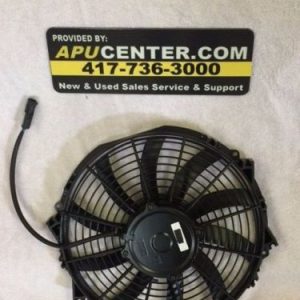
Understanding APU Specifications

When buying a used APU, understanding its specifications is key. Focus on two primary factors: power output and fuel efficiency. Power output determines if the APU can meet your energy needs, so start by calculating the power requirements for your vehicle’s auxiliary systems, such as air conditioning, heating, and electronic devices. Make sure the APU can handle this load with ease. Fuel efficiency is another critical specification. A more efficient APU will save you money on fuel and reduce your environmental footprint over time. Check the fuel consumption rates for different models within your budget and compare them to find the most efficient option. Beyond these two factors, consider additional specifications like noise levels and emissions. Quieter APUs can enhance comfort during use, particularly if you spend a lot of time in your vehicle. Emission levels are also important, as some regions have strict regulations on the emissions from auxiliary power units. Lastly, make sure to review the age and technology of the APU. Newer models may offer better performance, improved fuel efficiency, and lower emissions. This information can usually be found in the product manual or from the manufacturer. By focusing on these specifications, you’ll be better equipped to choose a used APU that meets your needs efficiently.

Assessing the Condition

When evaluating a used APU, start by examining its physical components closely. Look for any signs of wear, such as rust, cracks, or loose parts, which could indicate potential problems. Pay particular attention to critical components like the alternator, compressor, and hoses to ensure they are in good shape. In addition to the visual inspection, it’s important to review the maintenance records. These records provide valuable information about how the unit has been cared for by previous owners. Look for regular maintenance activities such as oil changes, filter replacements, and any significant repairs. Consistent maintenance is often a good indicator that the APU has been well-maintained, which could help you avoid unexpected breakdowns in the future. Another useful step is to run the APU, if possible, to listen for any unusual noises or vibrations that could point to underlying issues. Observing the unit in operation can give you a better idea of its current state and performance capabilities. By thoroughly assessing the physical condition and reviewing maintenance records, you can gauge the reliability and longevity of the used APU you are considering. This careful evaluation will help you make a more informed purchase and reduce the likelihood of encountering costly issues down the road.

Compatibility with Your Vehicle

Ensuring that a used APU integrates seamlessly with your vehicle involves several important steps. First, measure the available space on your vehicle and compare it to the dimensions of the APU. An APU that doesn’t fit properly can lead to installation issues and potentially impact performance. Next, focus on the integration with your vehicle’s electrical and fuel systems. The APU should connect easily to your vehicle’s existing infrastructure without requiring significant modifications. Consulting with a professional mechanic can help verify that the APU will work well with your vehicle’s setup and avoid any compatibility issues. Additionally, consider the mounting hardware and brackets that come with the used APU. Ensure they are compatible with your vehicle or easily adaptable. In some cases, you may need to purchase additional mounting equipment, which can add to the overall cost. Pay attention to the electrical requirements of the APU. Verify that your vehicle’s electrical system can support the APU’s power needs without overloading. This ensures that the APU operates efficiently and safely. Finally, check the fuel type and ensure it matches what your vehicle uses. An incompatible fuel type can result in poor performance and potential damage to the APU and your vehicle. Addressing these factors will help ensure a smooth installation process and optimal performance.

Evaluating Performance History

Evaluating the performance history of a used APU is essential for understanding its reliability and potential longevity. Start by gathering information on its previous usage. Units that have been in service for long periods or have high operating hours may be closer to the end of their life cycle and might require more frequent maintenance. Ask for details about the APU’s service history, including any repairs or part replacements, as this can provide insight into recurring issues or potential future problems. It’s also useful to research the specific model of the APU. Look for reviews and testimonials from other users to get a sense of common strengths and weaknesses. A model with a history of consistent performance and few reported issues is more likely to meet your needs and offer dependable service. Additionally, check if there have been any manufacturer recalls or known defects associated with the model. Addressing these concerns beforehand can help you avoid unexpected complications. By carefully evaluating the performance history, you can make a more informed decision and choose a used APU that is likely to be a reliable investment.

Read more...
Shopping cart1
Subtotal
$150.00
Total
$184.95
Continue shopping
1